The NDIS Bill · Senate reports 14 August

When they cut
NDIS support, nurses pay.

So do we.

This isn't a saving. It's a cost. For the nurses run off their feet. The support workers told they're "not allowed". The disabled people left alone in a ward. The ageing mums and carers back at the bedside because there's no one else. This Bill hurts all of us. Tell Your Senators To Vote It Down and Restore NDIS Support in Hospitals.

-- days until the Senate inquiry reports on 14 August. Then the vote.
Two nurses, a man using a power wheelchair and an older woman carer standing together outside a hospital emergency entrance

Four reasons

There is no way to make this Bill safe, even with amendments.

Every amendment on the table still leaves people, workers and systems unsafe.

01   There is no safety net

Up to 241,000 people cut or locked out, with nothing to catch them

Senate documents show as many as 241,000 disabled people could lose NDIS access. The "foundational supports", including health supports, meant to replace it are not designed, not funded and not built anywhere in Australia. Take away the NDIS support and people don't disappear. They turn up sicker, injured and in crisis: more social admissions, more falls, longer stays. Who pays? Nurses, health staff, disabled people, carers, everyone except the people who promised a real NDIS.

02   Different jobs, double the workload

Disabled people forced to leave their supports at the door

A disability support worker and a nurse do not do the same job. The worker knows the person: how they communicate, when a seizure is building, what they need, how they express pain. Take the support worker away and the nurse is left doing two jobs at once, on wards already short-staffed. See why a DSW and a nurse aren't interchangeable.

03   We shouldn't have to sue our health professionals to get support

The Bill pushes disabled people to sue doctors, nurses and hospitals

Under this Bill, instead of getting the disability care and support they need, people are pushed to chase compensation claims against the very clinicians treating them. Then the NDIA can claw the money back. It pits patients against staff and strips support from both. How the clawback works.

04   There are other safe ways they are ignoring

A fully costed review already showed how to do this safely

The independent NDIS Review and the Disability Royal Commission set out a costed plan that keeps disabled people, workers and the health system safe. We shouldn't be cutting support to our most vulnerable people to hit a budget number. There are other, better alternatives to keep people safe. The alternatives on the table.

What it costs on the ward

Hospitals are already dangerous for disabled people

Disabled people are already seven times more likely to die from a potentially avoidable cause in hospital. This Bill makes wards less safe, not more.

Find out more
Back to the bad old days

Before the NDIS, families sat vigil so no one was left alone. Take supports away and it returns: ageing mothers and women carers back at the bedside, unpaid, doing round-the-clock care the system was meant to end.

Find out more

In their words

What happens when the support worker isn't there

Real accounts from disabled people, families and carers across Australia. Names shared with permission from a public callout.

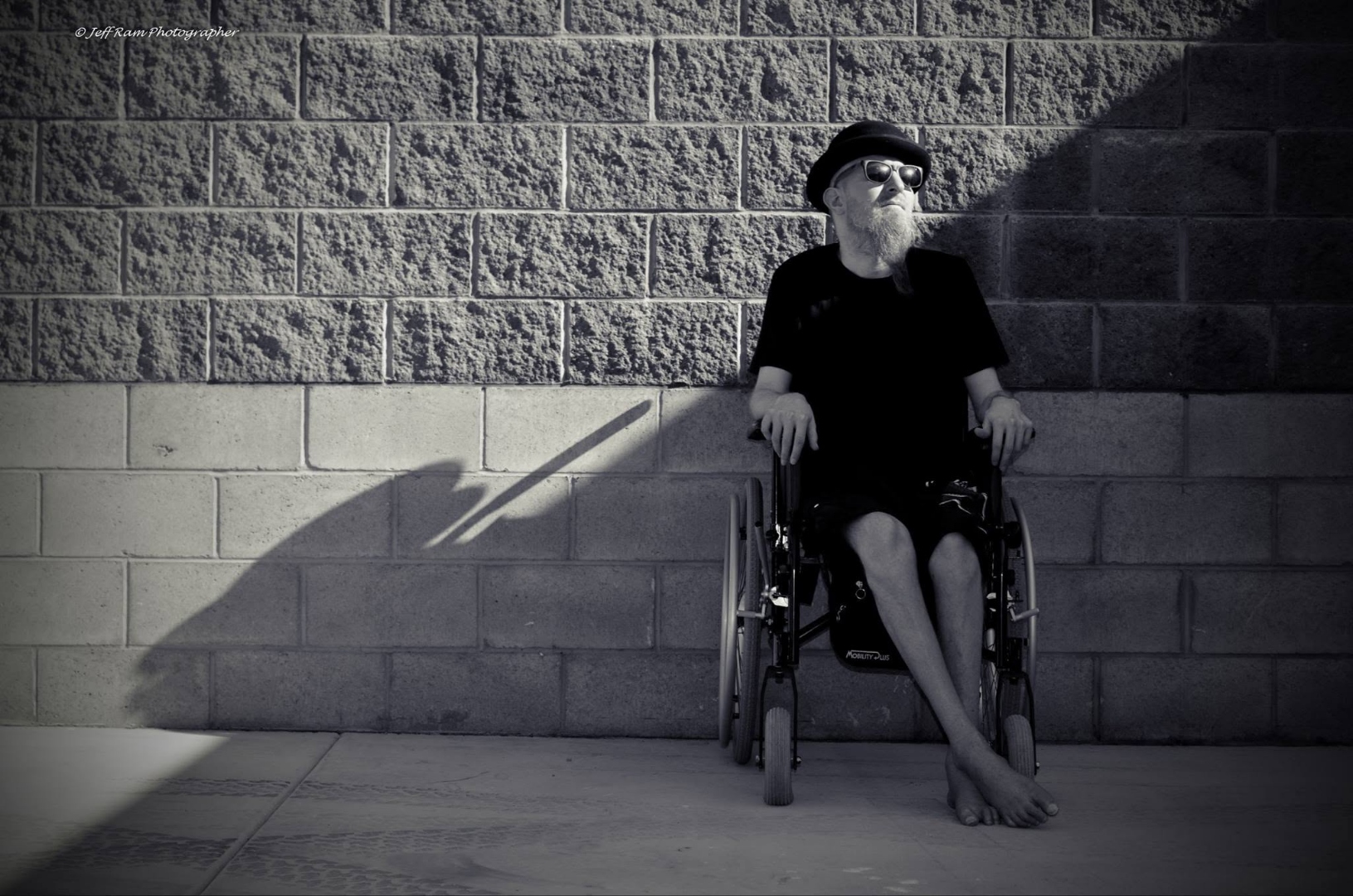
Christopher Cox, a bearded man in a hat and sunglasses, seated in a wheelchair against a brick wall.
Photograph © Jeff Ram Photographer
"No disabled person should EVER be left alone in a hospital without their support workers. Hospitals are dangerous places for us. For our safety we must have our support workers with us at all times."
Christopher Cox · disability advocate
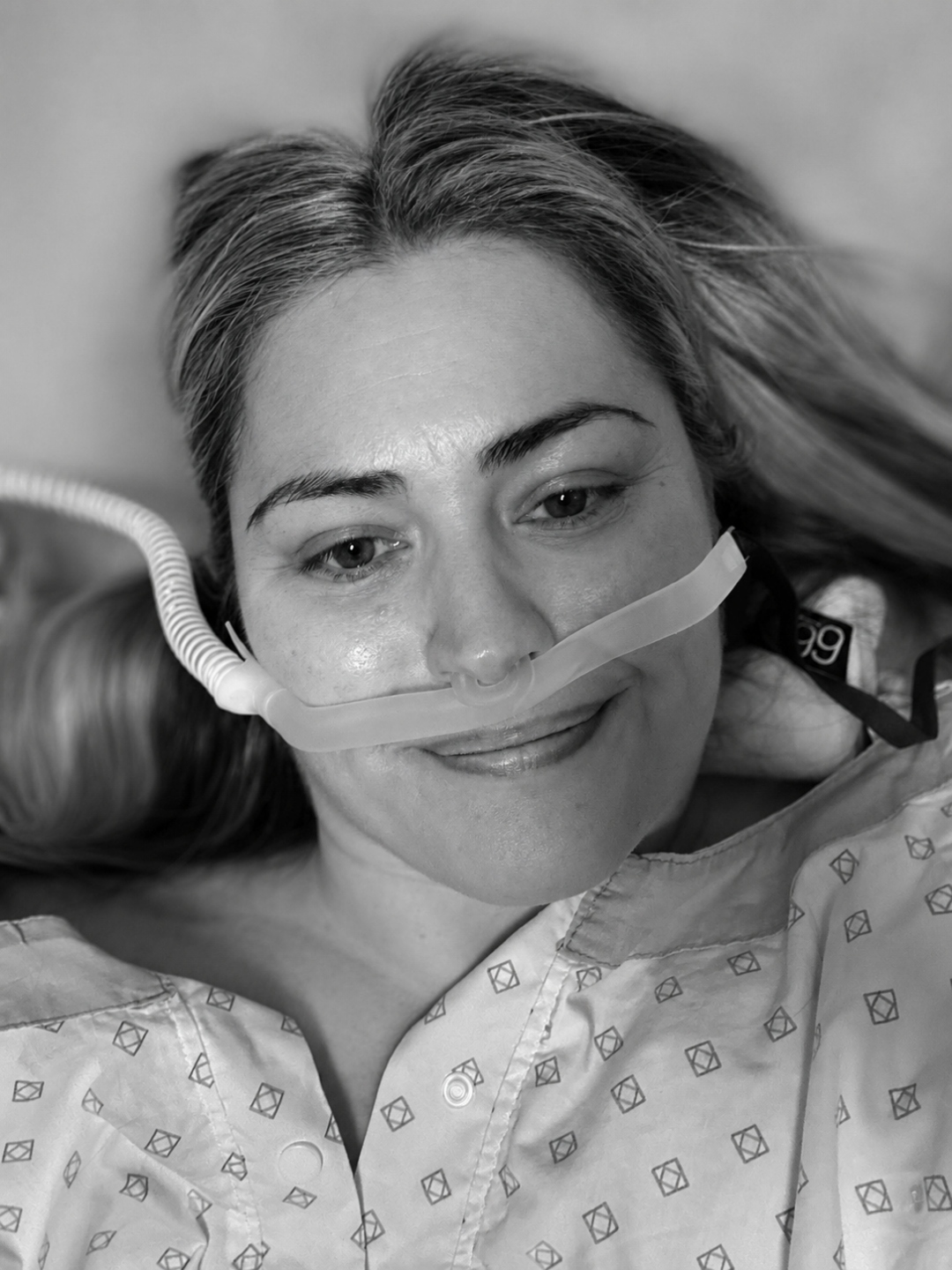
Marayke Jonkers lying in a hospital bed, wearing a hospital gown and a nasal cannula.
"Marayke could only shake her head as staff debated how to transfer her to another hospital with her electric wheelchair."
Marayke Jonkers · triple Paralympic medallist. Read her story
"Left alone post surgery, unable to make a sound, choking on a sandwich and a cup of water, as someone with known dysphagia. My worker supervises me eating so I don't choke and die."
Madelon Rickard · Qld, metro and regional
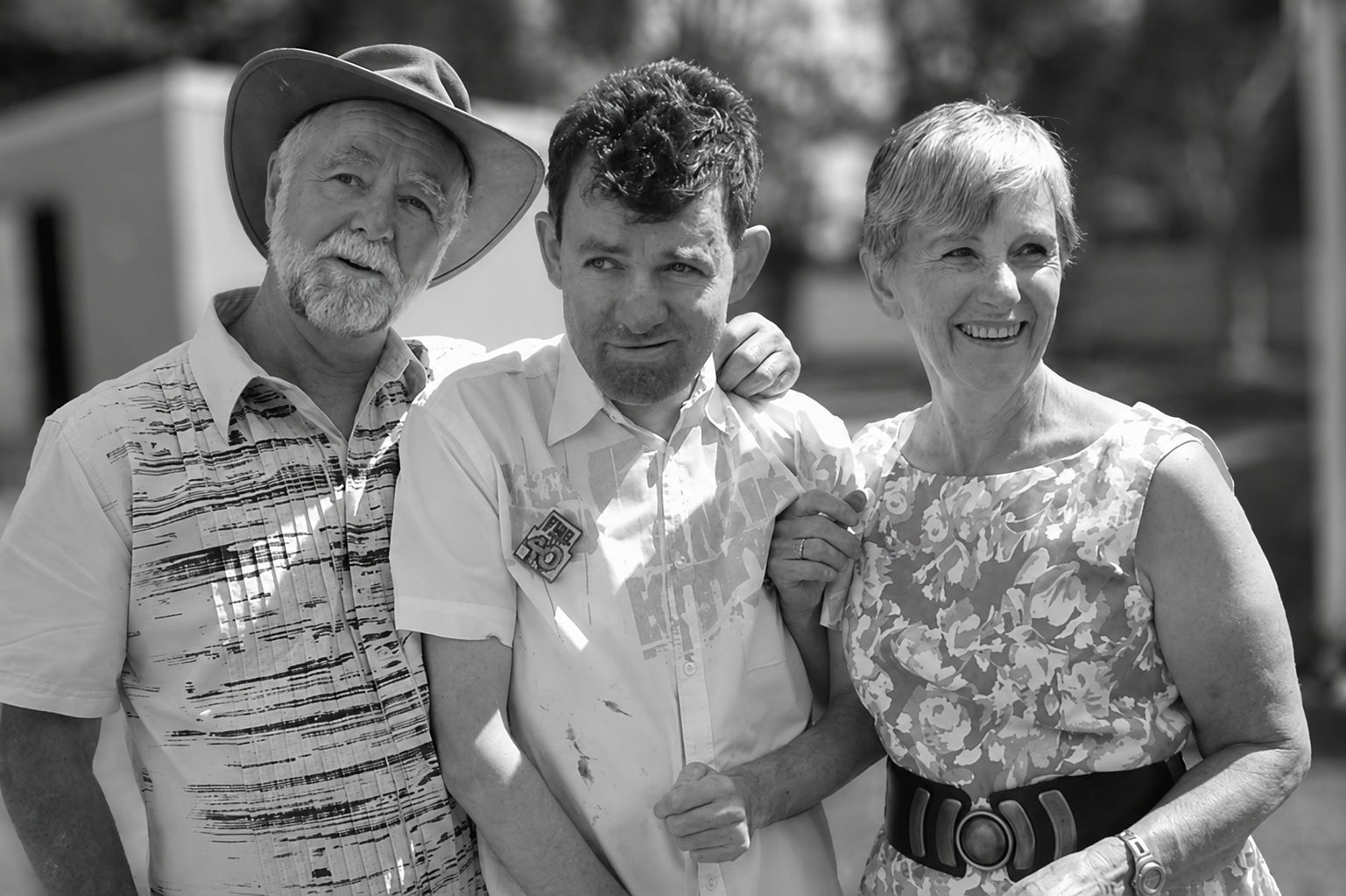
Leslie Cope, his son Adam Cope, and Peta Cope standing together outdoors.
"He was settled, so his mum asked him to stay in bed while she went to the bathroom. Two minutes later he'd got out the other side, stretching the IV tubing until it came out. Without his workers he isn't even acknowledged as who he is."
Les Cope · on Adam, his non-speaking son
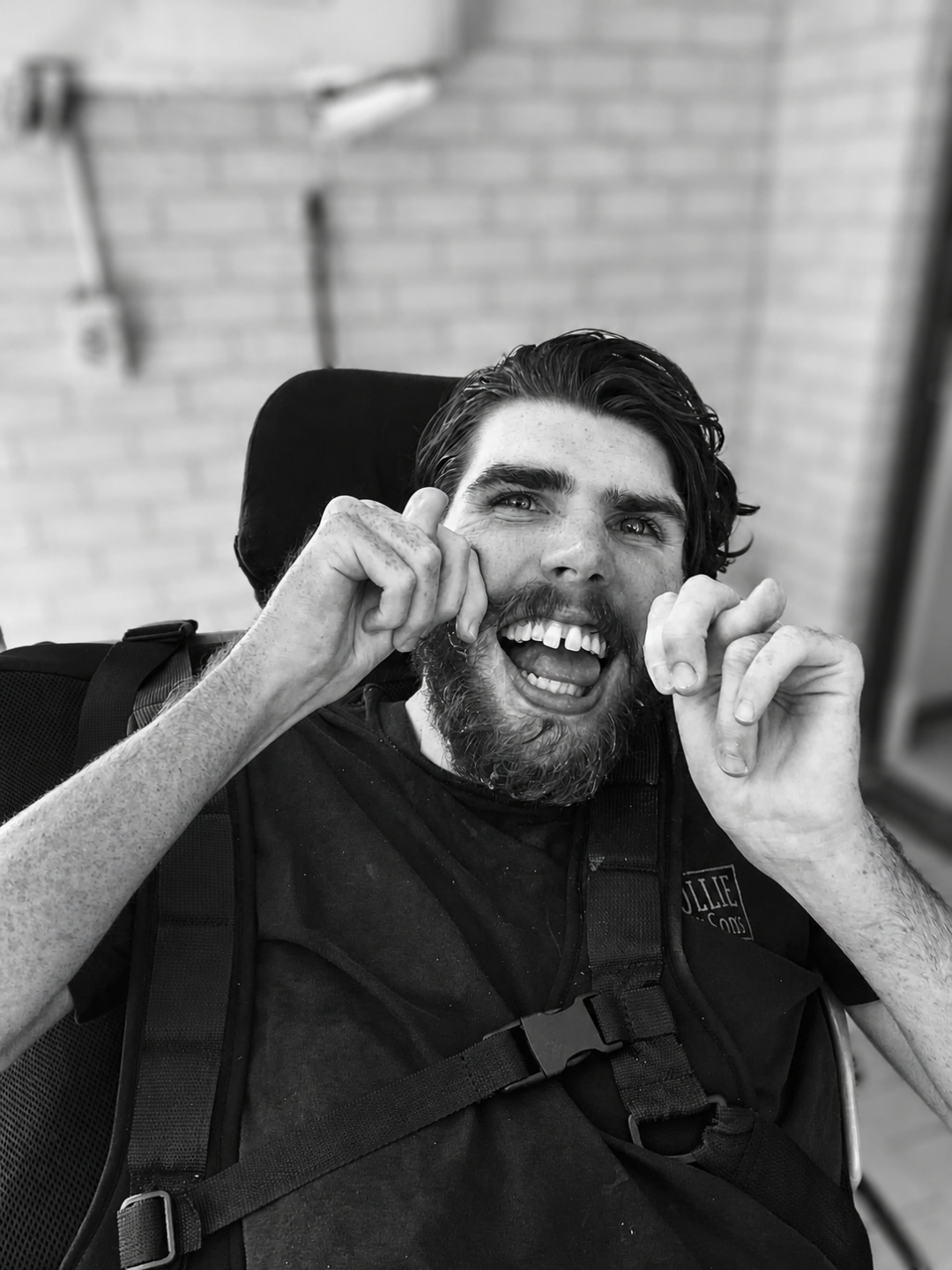
Eamon, a young man in a wheelchair with a supportive chest harness, laughing.
"My worker corrects nursing staff when they're about to flush one of my three ports with the wrong solution, and averts excruciating pain. Too much to list."
Eamon and Julie Guilfoile · WA
"We were told the provider is 'legally unable' to give support in hospital. My mum is legally blind with an ABI. It was a traumatic nightmare, and my dad and I ended up providing 24/7 care ourselves."
Anonymous family · SA
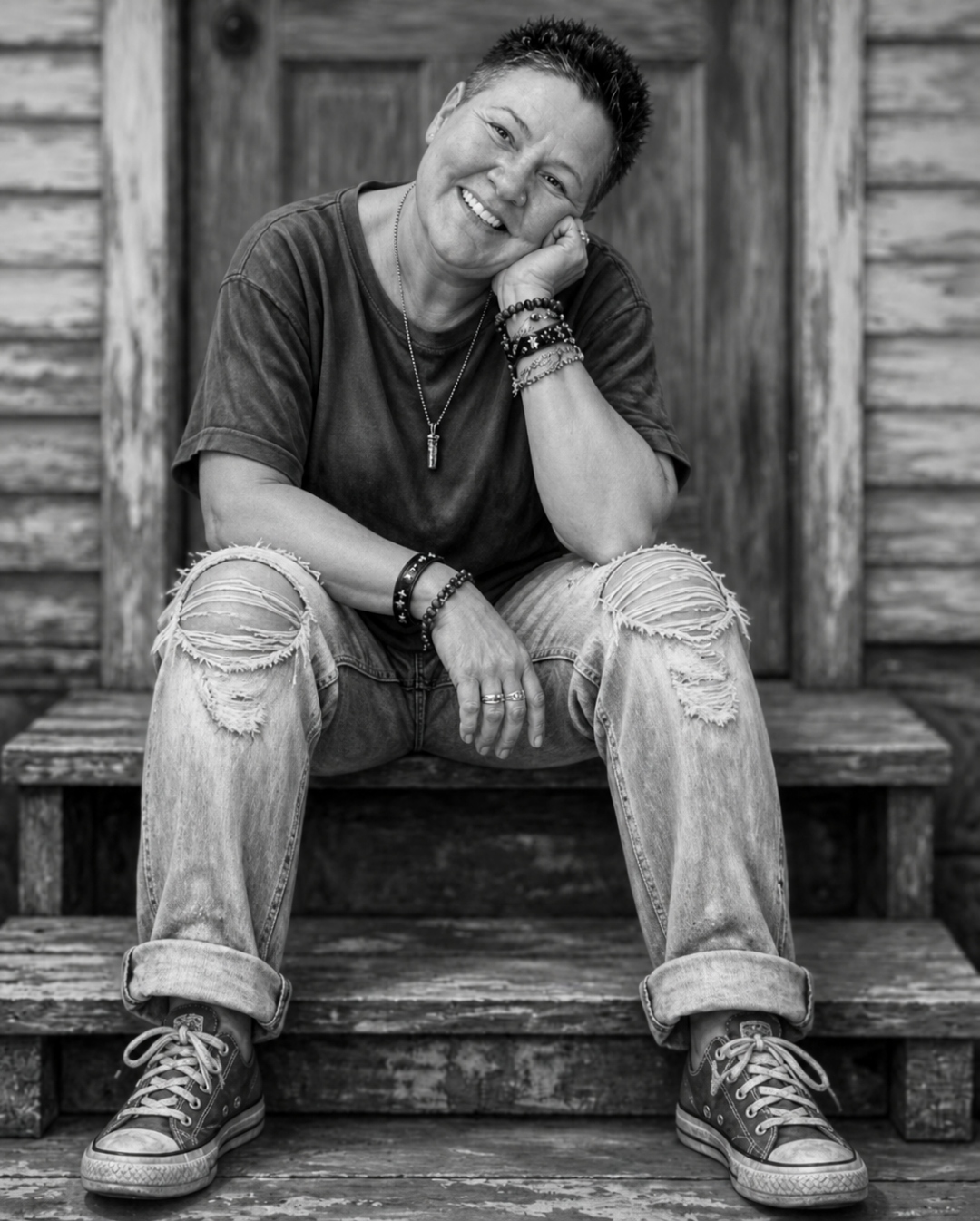
Jules Pollard sitting on wooden steps, smiling, resting her chin on her hand.
"When you're a falls risk and not allowed out of bed unless someone's with you, you end up crapping yourself. It's degrading. You need support workers in hospital. But we're not allowed."
Jules Pollard · Geelong, Vic
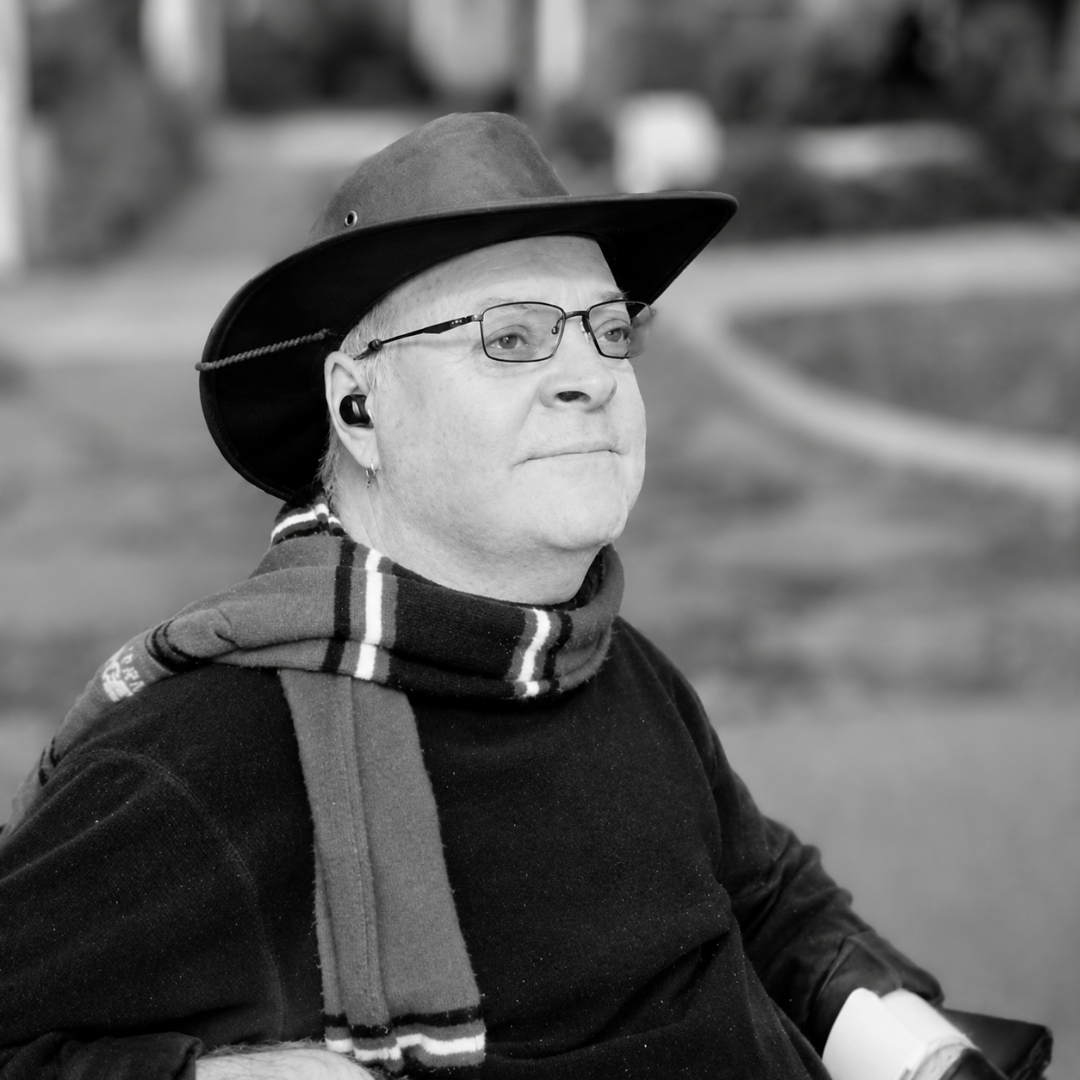
Darren West, a man in a wide-brimmed hat, glasses and a striped scarf, seated outdoors.
"My carers know me and what I need."
Darren West · Daglish, WA
"Deafblind patients need Communication Guides to facilitate Auslan, explain complex medical information and medications. Hospitals can't arrange interpreters at short notice, and a video screen is no use to someone who needs tactile Auslan."
Erika Webb · on Deafblind support
"A witness. Medical malpractice happens to vulnerable people all the time, especially when the patient is disabled. Being wholly at the mercy of a system not educated about us is terrifying. I want someone there. I've experienced too much already."
Zane Scott · SA / Vic

Fifteen minutes. One email.

Tell your senators to vote it down

Not amend it. Vote it down. This Bill cannot be made safe. Pick your state and email every senator who represents you before the inquiry reports on 14 August.

Find your senators → Call your senators →