The NDIS was not built for no reason. It was built because the old system had already failed, and every inquiry that looked at it said the same thing.
How it worked before
You had to be in crisis before you got help
The old system did not fund support based on what you needed. It funded support when things fell apart. You waited, sometimes for years, and most people never got a package at all.
In Western Australia, disability groups told the 2014 Client driven? Or driven to despair? inquiry exactly how the system felt from the inside.
"The current system funding is predominantly focussed on supporting people when their needs become 'urgent and critical', at which time both the financial cost of support and the emotional impact on people with disabilities and their families is likely to be greater."
Developmental Disability WA · submission, 2014"The funding appears to be crisis-driven rather than based on a preventative model. Funding is spread too thin with most service users not receiving adequate funding."
Centre for Cerebral Palsy · submission, 2014Developmental Disability WA also told the inquiry that of the people who applied for new funding, "only 39.4% of those applications were successful in securing new packages of funding". If you were one of the other six in ten, you got nothing.
"Inadequate funding for accommodation and intensive family support services continues to cause great hardship and heartache in the lives of Western Australians with disability and their family carers. Today, the level of unmet need remains unacceptably high."
CASA · submission, 2013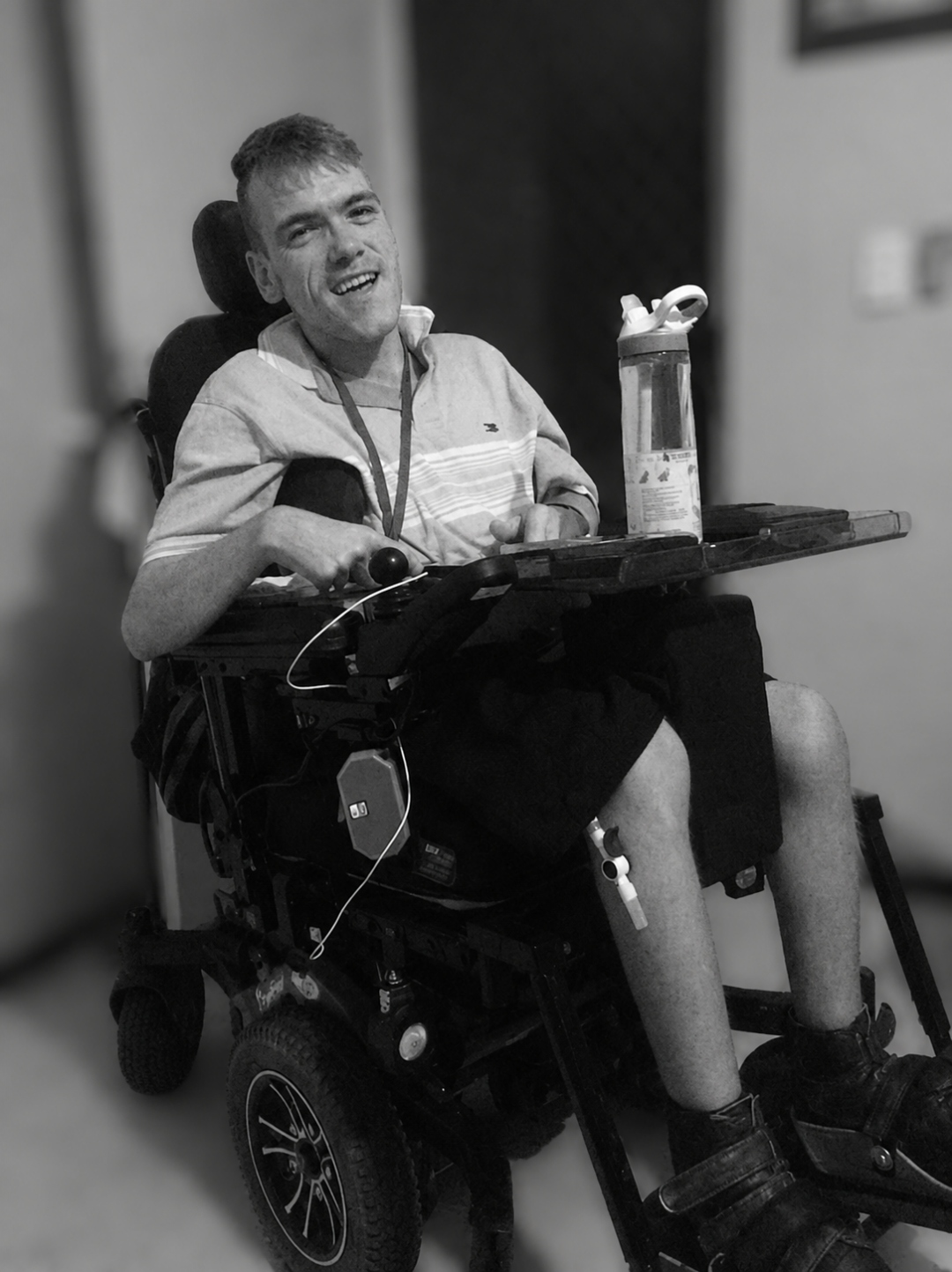
"Before the NDIS, I would go to the shop and buy a bottle of water and ask the shop keeper to pour it into my mouth, just so I could drink water."
Peter HallWho carried it
Families held it together, mostly women, and paid for it with their own lives
When the system did not provide support, someone still had to. That someone was almost always family, and most often a woman. She left paid work, or never got to start it, because there was no other option.
"In 2003, 63% of carers aged 15-64 years were employed compared to 75% of non-carers. Only 48% of primary carers of this age were employed, and of these more were likely to work part-time rather than full time."
Who Cares…? Inquiry into Better Support for Carers · 2009The cost was not only work and money. The 2004 federal poverty inquiry put it plainly: "People with disabilities and their carers are vulnerable to poverty and disadvantage and it has been observed that poverty is 'disability's close companion'."
And while families went under, governments argued about whose job it was to help.
"The services to help these people work, especially for the parents of disabled children, were virtually non-existent. The states, territories, and Commonwealth governments have been disputing who has responsibility for these services while the parents and their children continue to go without."
Balancing Work and Family inquiry · 2006The national verdict
Every inquiry reached the same conclusion
This was not one bad state or one bad year. When the country finally looked hard at disability support, the findings were damning and consistent.
"The disability service system was characterised as irretrievably broken and broke, chronically underfunded and under-resourced, crisis driven, struggling against a vast tide of unmet need."
Shut Out: The Experience of People with Disabilities and their Families · 2009"The current disability support system is underfunded, unfair, fragmented, and inefficient, and gives people with a disability little choice and no certainty of access to appropriate supports."
Productivity Commission, Disability Care and Support · 2011The 2007 Senate inquiry into the old Commonwealth State/Territory Disability Agreement said there was "truly a crisis of unmet need for services and support for people with disabilities, their carers and families". That inquiry, and the Productivity Commission report that followed, is why the NDIS was built.
What it felt like
Behind the inquiries were real Western Australians
In 2012, before the NDIS, WA families wrote down what the old system did to them. Bolshy Divas collected a hundred of these accounts in The Other 100 Conversations. These are their words. This is the hospital ward the Bill would send us back to.
"They talk about me like I'm not there and treat me as if I couldn't talk for myself. This is what it is like to be old and have cerebral palsy in hospital. I was sick and I got better, but they didn't want me to go home."
Lee · The Other 100 Conversations, 2012"He is once again hospitalised in a locked ward at Royal Perth Hospital. He is calmed down with a cocktail of drugs and then discharged again. No-one is prepared for the disappointment of the underfunded and under resourced system in Western Australia which has let my child down, let me down and let my family down."
Name and address withheld · The Other 100 Conversations, 2012"He wakes up to 6 times a night even with respiratory support and a high tech turning bed. All the medical practitioners that we see (about 6 specialists in total) believe that we receive extensive physiotherapy and model their treatment around this. In fact we have had no 'hands on' physio in years."
Liam's family · The Other 100 Conversations, 2012"M is at the stage now where she chokes on her food, often turning blue until I bang her on the back. I worry constantly about what would happen if this occured while I am at work?"
Carer for a woman with Huntington's disease · The Other 100 Conversations, 2012"I sometimes get bedsores. I often get infections. Getting a chest infection is a major disaster for me and involves going to hospital."
Man with quadriplegia · The Other 100 Conversations, 2012What the NDIS changed
It replaced crisis with a plan, and it let carers work again
The NDIS did one big thing: it stopped funding support only when people hit crisis, and started funding it based on what a person actually needs.
Because families were no longer holding everything together alone, carers could go back to paid work. The change shows up in the NDIS's own longitudinal data.
The independent cost-benefit analysis for the NDIS Review found "statistically significant evidence of improvements for carer outcomes across life satisfaction, financial security and employment status", including "an 11-percentage point lift in part-time work by the fourth year in the NDIS". That is the difference the NDIS made, and it is exactly what is now at risk.
The Bill does not reform this system. It rebuilds the old one.
Cut up to 241,000 people from the NDIS, send them to "foundational supports" that do not exist, and you have recreated the crisis-driven lottery every inquiry condemned. The waiting. The families going without. The carers pushed out of work. The people turning up sicker because nobody caught them.
We have run this experiment before. We already know how it ends.